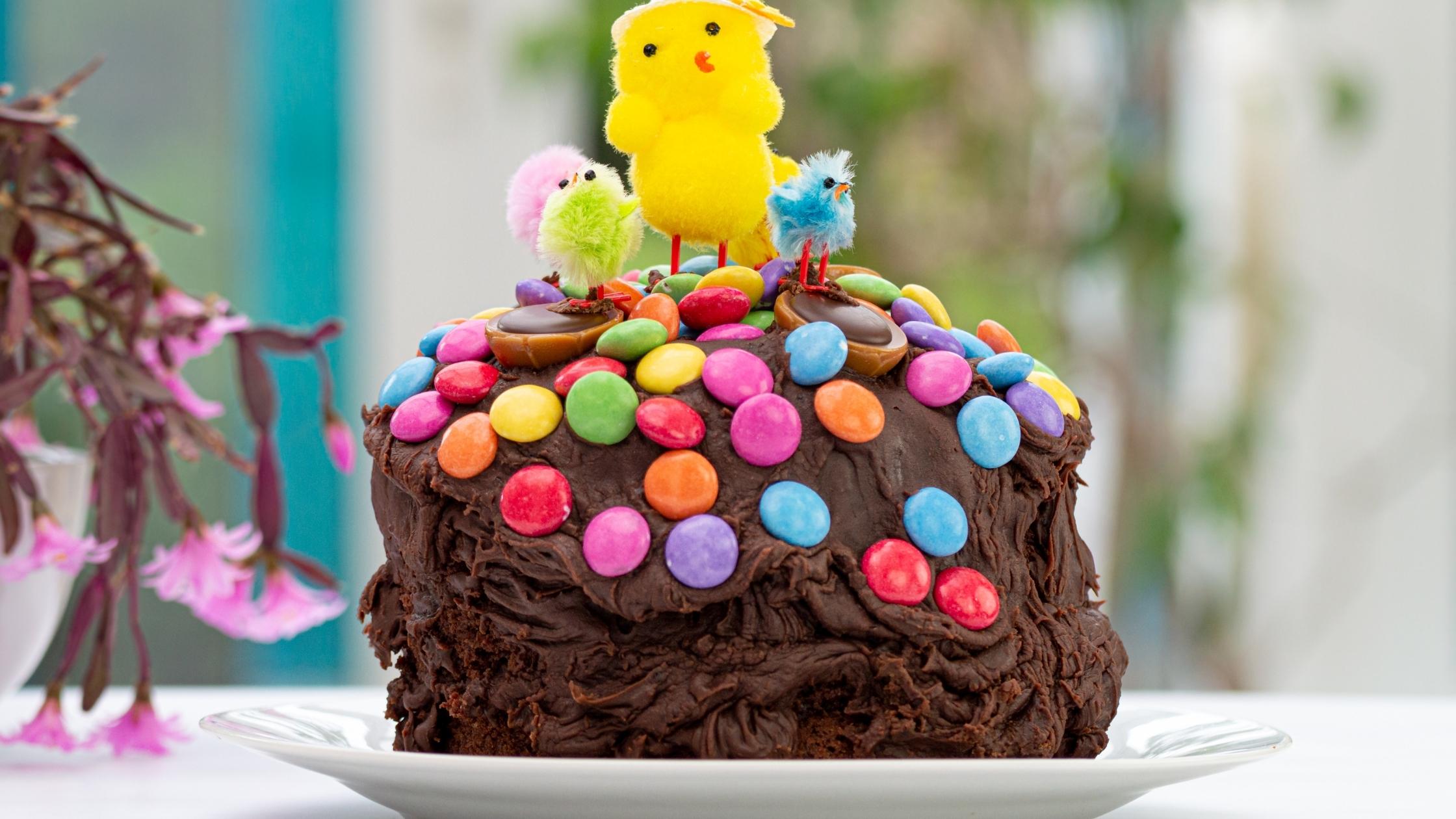
It?s true. Some hands-on activities are messy.
Some, not so much, like counting with math manipulatives or putting together a themed jigsaw puzzle. (Although puzzle pieces can be a mess of their own if you don?t have a dedicated puzzle place.)
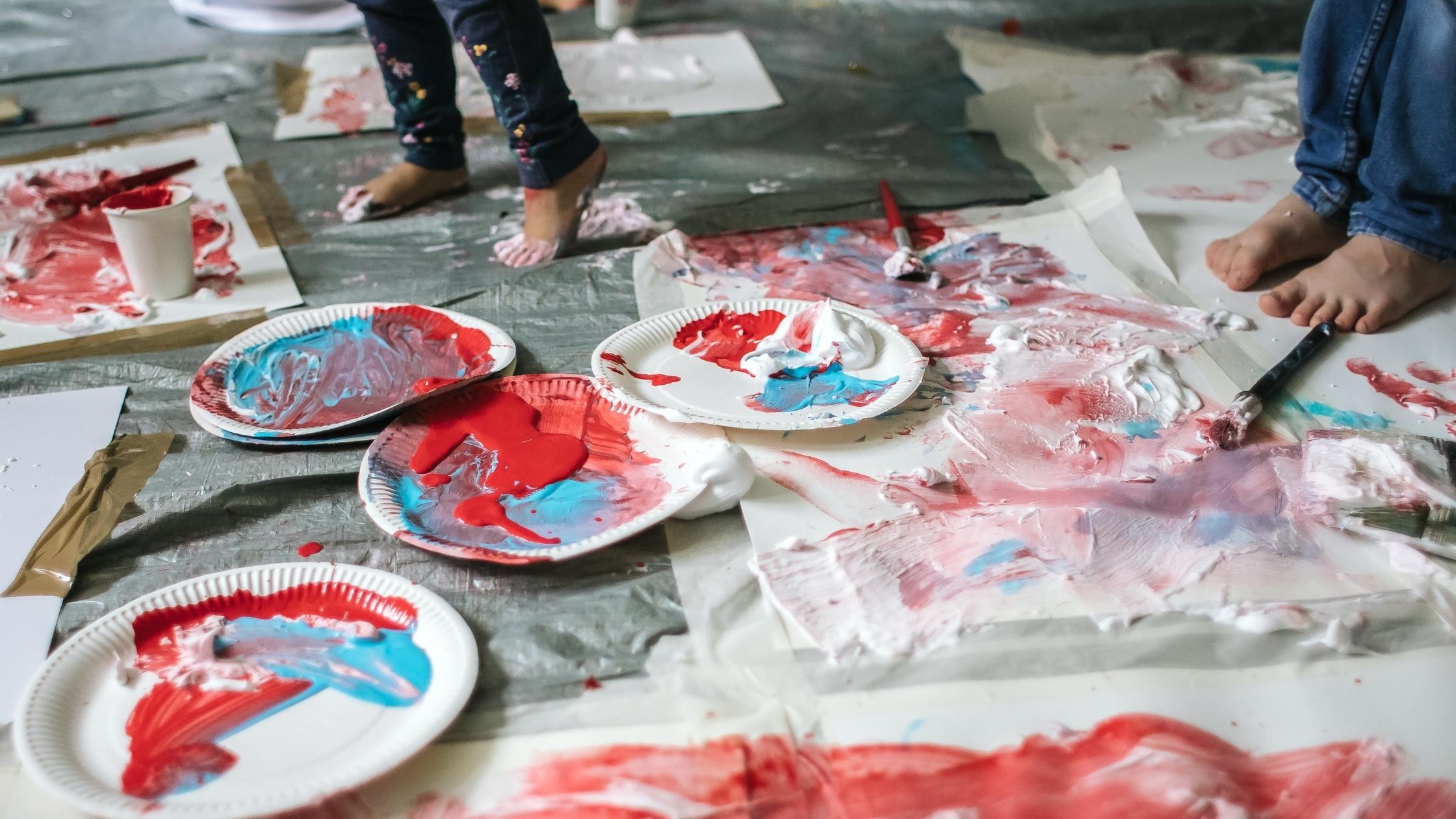
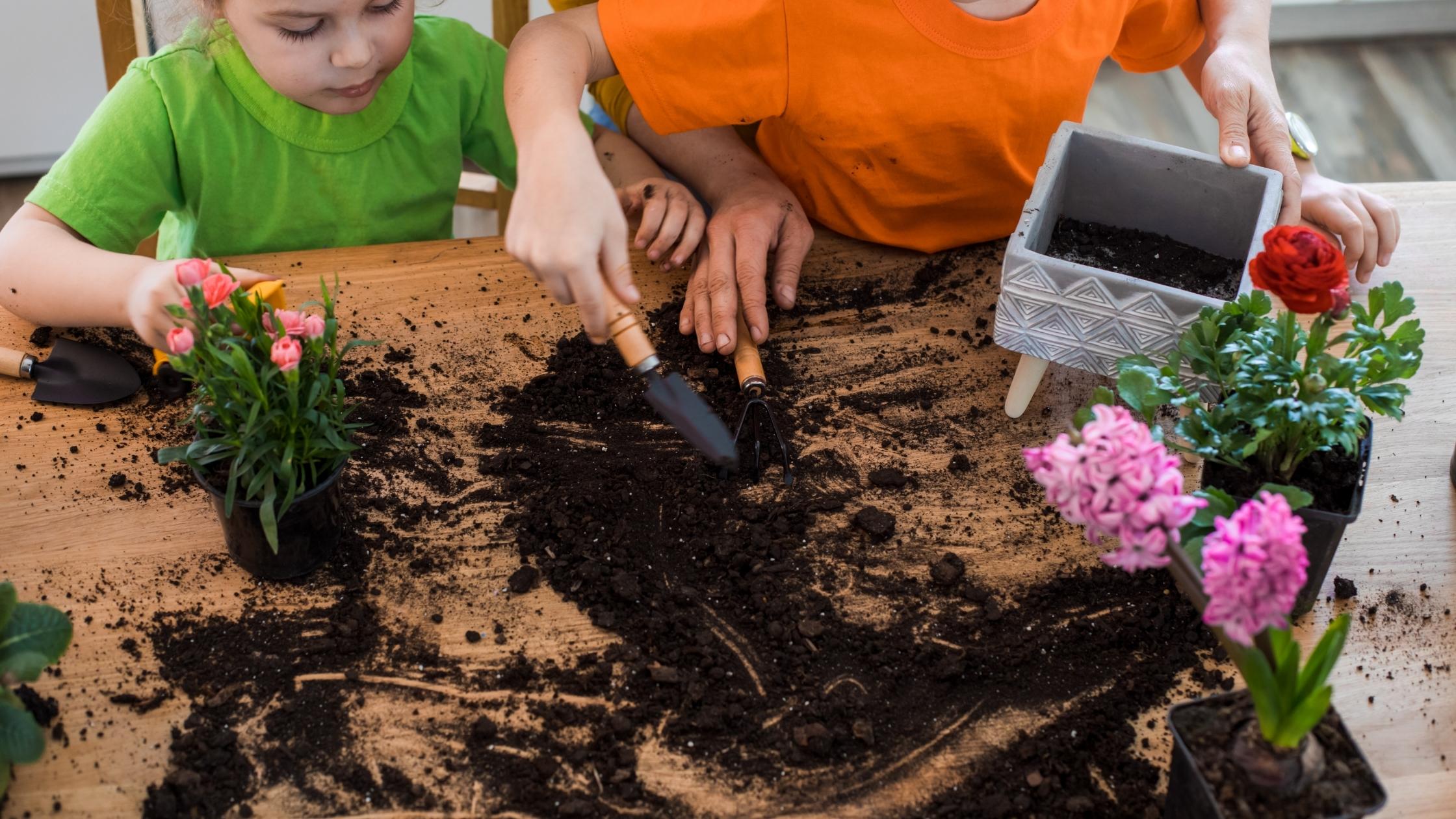
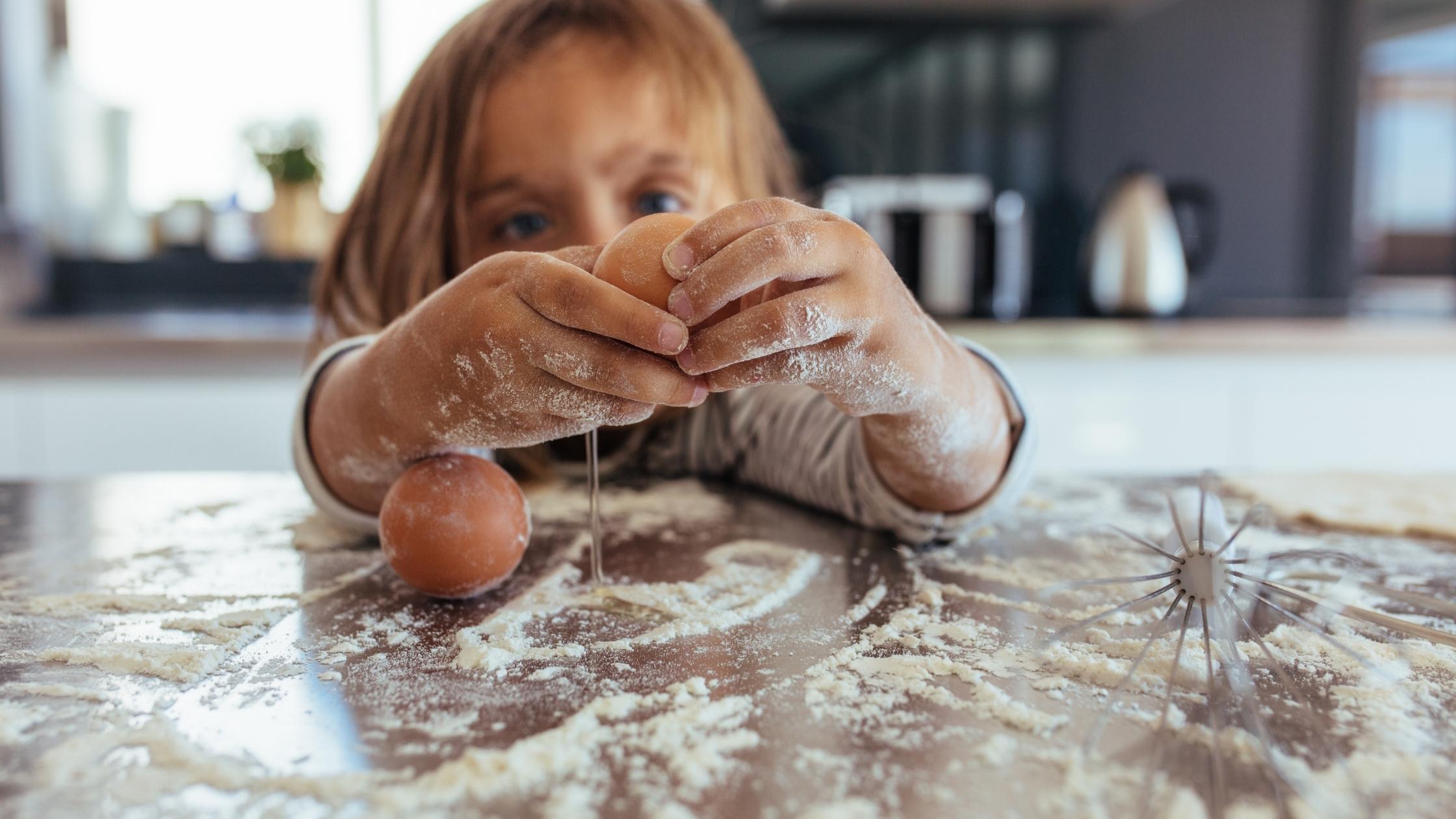
But the kinds of messes I?m talking about are the cornstarch-and-water messes and the ant-farm messes and the watercolor-paint messes.
Yikes.
If this sends shivers down your spine, fear not. There's hope.
Not everyone (me included) likes those kinds of messes. In fact, I have such a strong aversion to anything sticky and gooey, I must leave the water running in the sink when I crack an egg so I can race over and rinse immediately. But that?s just me.
Makes you wonder how folks like me can incorporate messy hands-on activities into our homeschool adventures.
It ain?t always easy.
It?s got a lot to do with control. Whether you?re a neat freak or not, chances are you desire a certain level of control over the educational activities that go on inside and outside your home.
If no one makes the mess, you don?t have to clean it up! And you don?t have to get all angsty about someone else cleaning it up.
So that?s it, no messes.
But also, no hands-on learning.
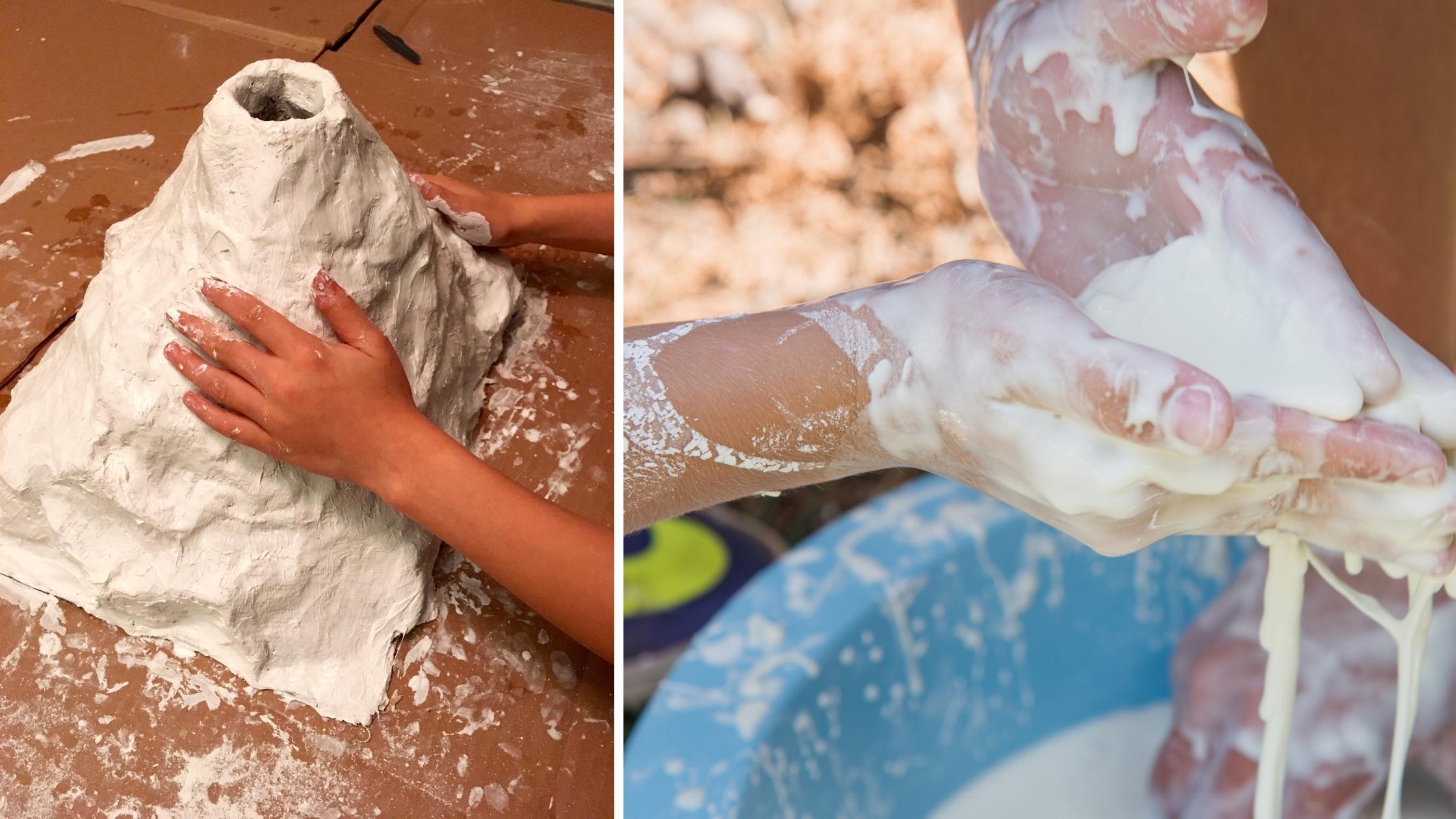
Of course, they really want to build a paper mache volcano or make oobleck or bake a cake all by themselves. Oh boy.
Breathe. Relax. They're children for such a short time.
Okay, That's my pep talk to myself.
Here are a few tips and tricks to get you through the messes of hands-on activities.
Mitigate it.
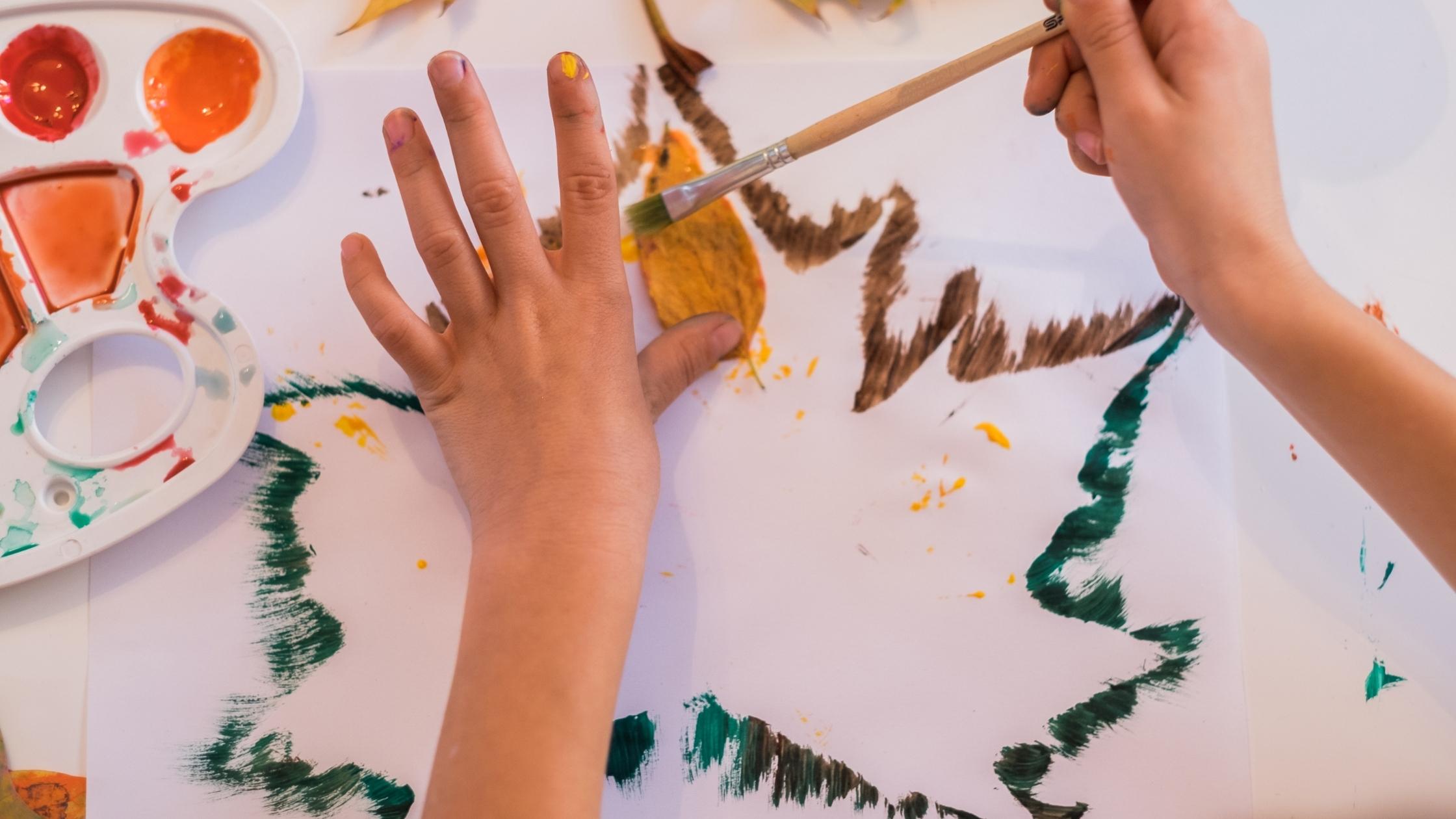
You know the mess is coming, so break out the old tablecloths or paint drop cloths or newspapers and Cover Everything. If you know all you have to do is ball up the mess and dispatch it to the laundry or the recycling bin or even to the fire barrel, you?re more likely to charge ahead.
Minimalize it.
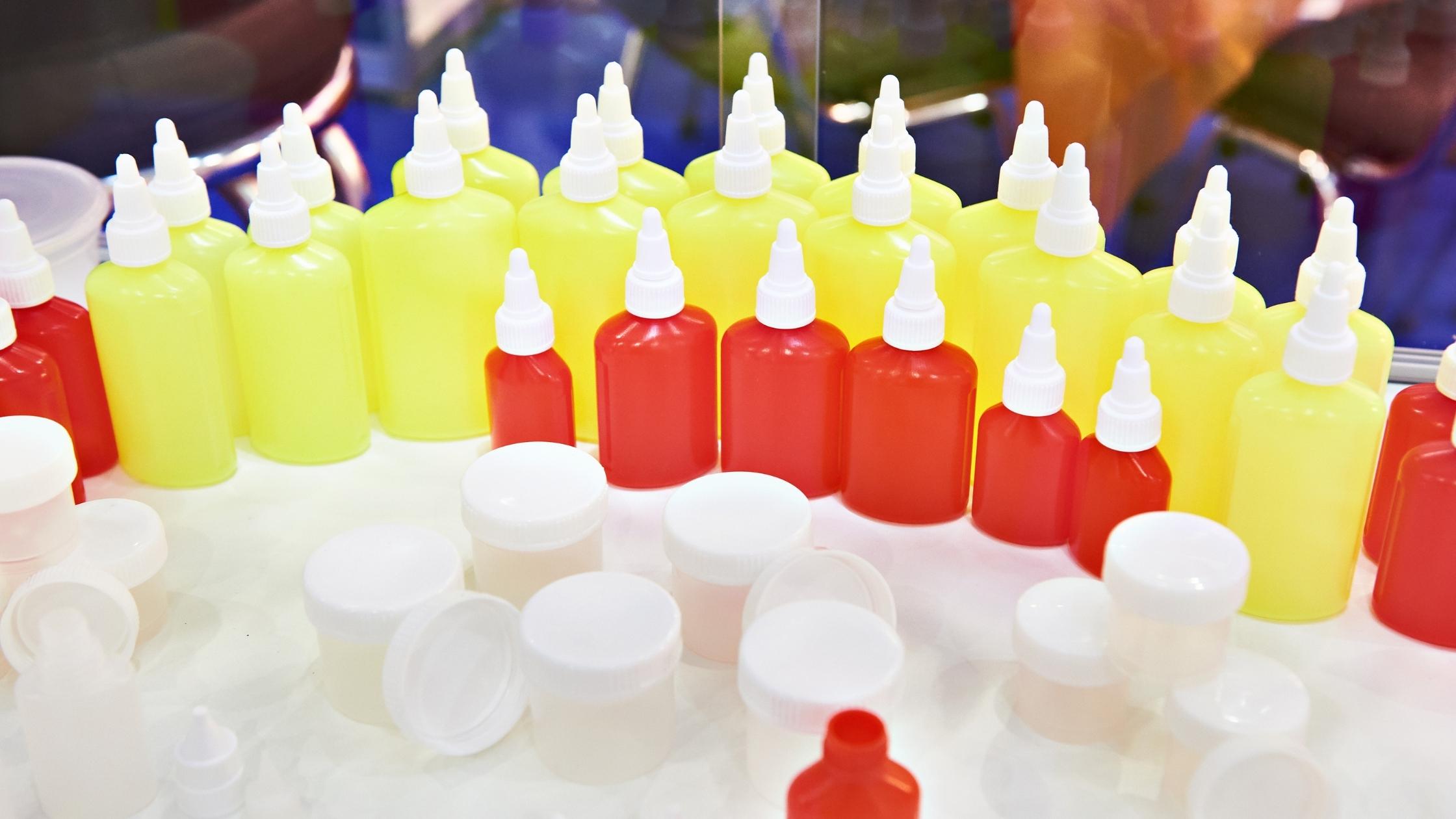
Instead of breaking out ALL the paints or ALL the flour or ALL the cornstarch, measure out just enough ingredients or supplies for the project. That way, nothing gets spilled in bulk and clean-up becomes manageable. Use condiment dispensers for liquids or large flour shakers for small solids where possible.
Protect it.
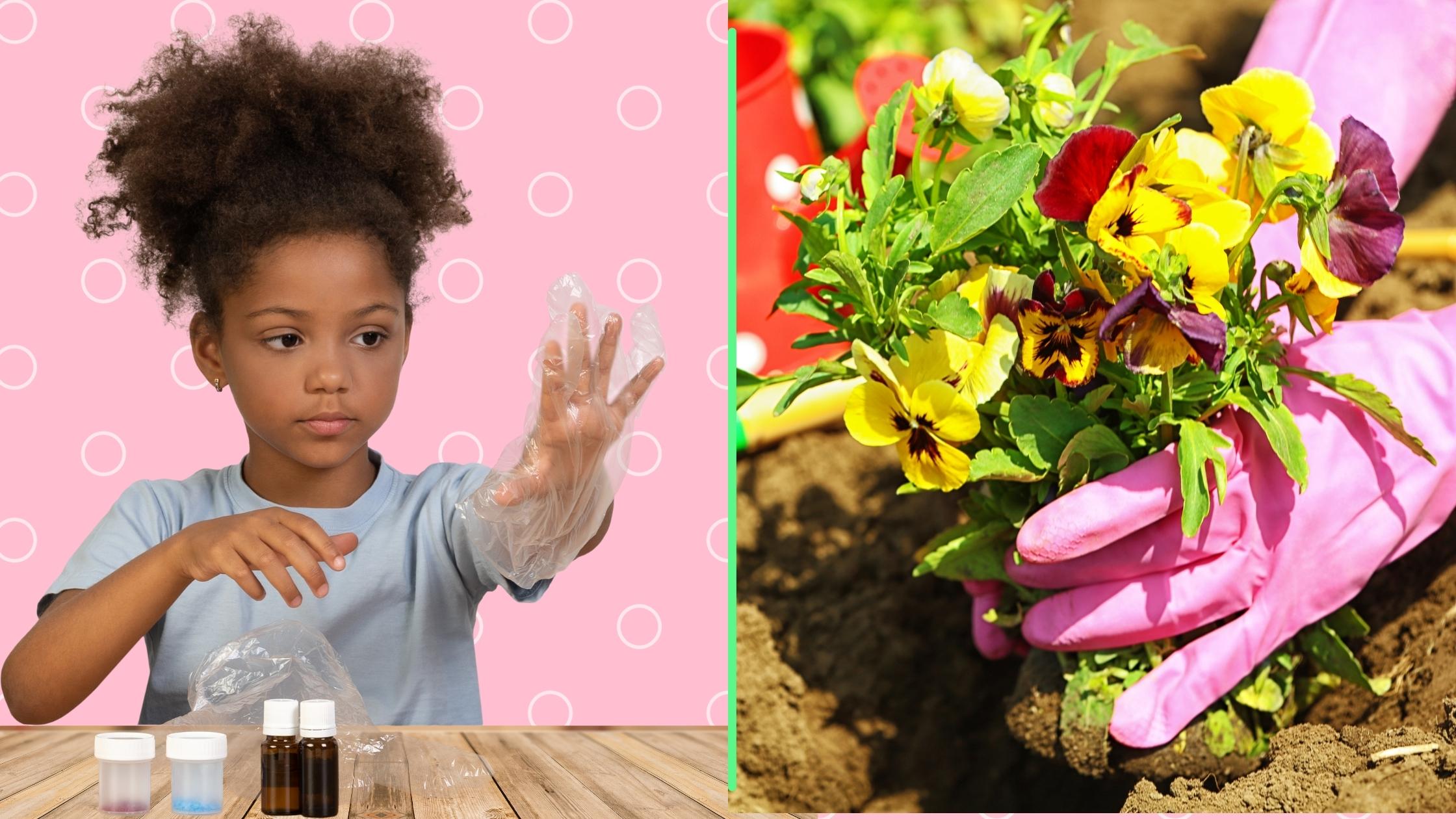
If your kids have sensory issues (like me) use rubber gloves or plastic food service gloves where appropriate. I can even squish meatloaf if I have gloves. And that?s saying something. Add caps and aprons or smocks (you too) and dive right in.
Substitute it.
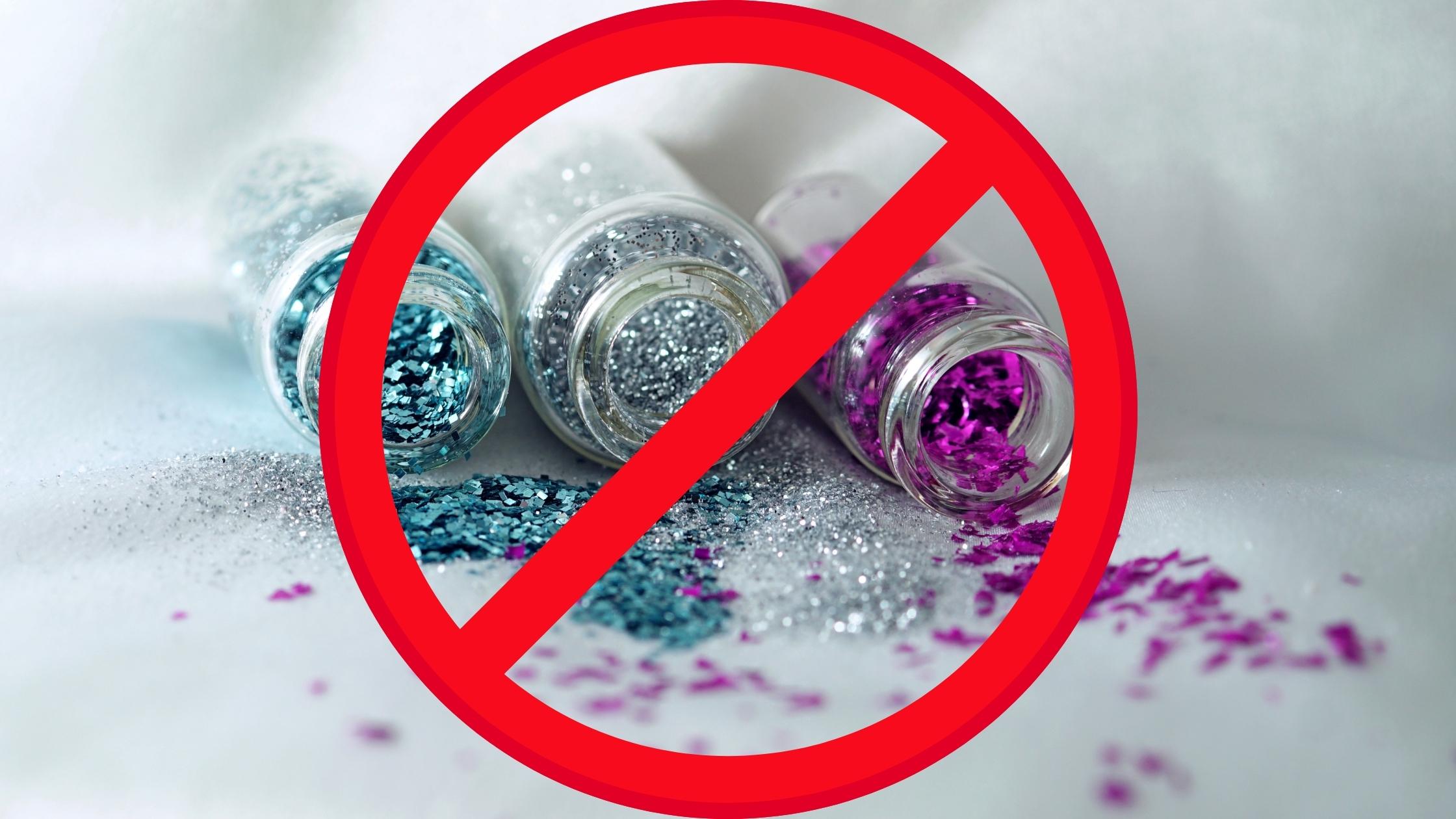
Maybe one ingredient in the activity is a hard no for you, like glitter. Do a bit of research to find a suitable substitute, if possible, then carry on at will.
Share it.
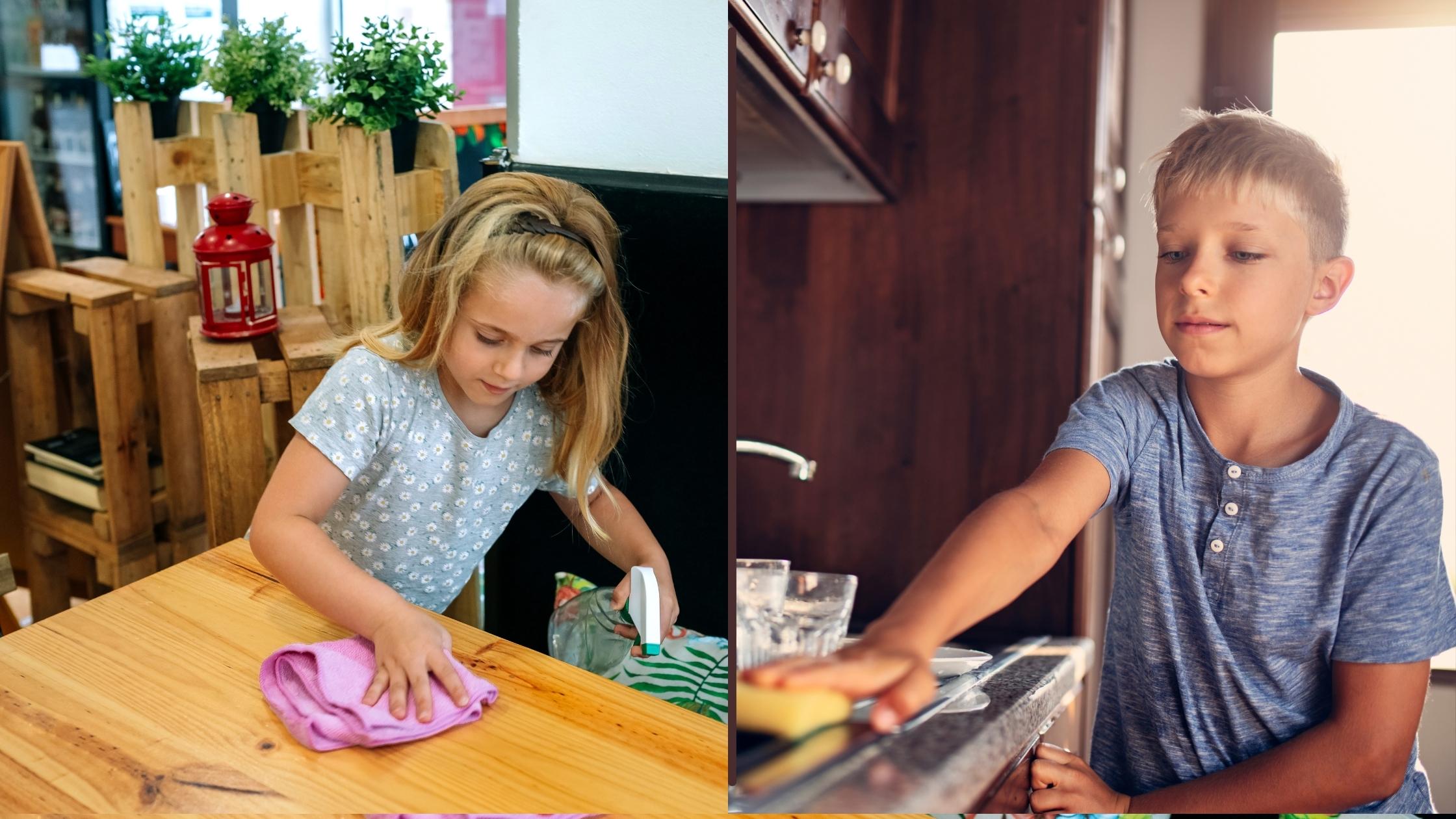
Before the activity begins, assign clean-up tasks so everyone knows what?s expected of them. Then hold fast to the post-activity work so everyone pitches in.
Accept it.
You?ve been through infanthood and toddlerhood, and you understand messes. Intimately. Accept that the deep understanding and lasting memories that come from incorporating a hands-on activity into a lesson will make a mess but will be oh-so worth it.

When your children are older, they can take on full responsibility for cleaning up after a hands-on activity. ?Return the area to pre-activity status? is a good benchmark.
Then they can be proud of their new skills and maybe even that delicious cake, if all went well in the kitchen.