
You?re homeschooling. Maybe you?ve been at it a few years, or maybe you were forced into it by recent events.
Certainly, teaching your children gives you an amazing perspective on how they learn new concepts.
But you?ve witnessed that process since they were born.
You taught them to walk. To talk. To eat by themselves.
You added in tying shoes, being nice, sharing, cleaning their rooms.
You have a unique vantage point in your children?s education, too.
A Parent's Role In Home Education
Since you are already familiar with how they best learn, your role as home educator is to expand on this learning style and introduce new concepts such as reading, writing, and simple math.
As they grow and develop, you learn more about how they learn, and you can move into more advanced subjects.
One thing you?ve realized since they were toddlers is the importance of doing versus just telling.
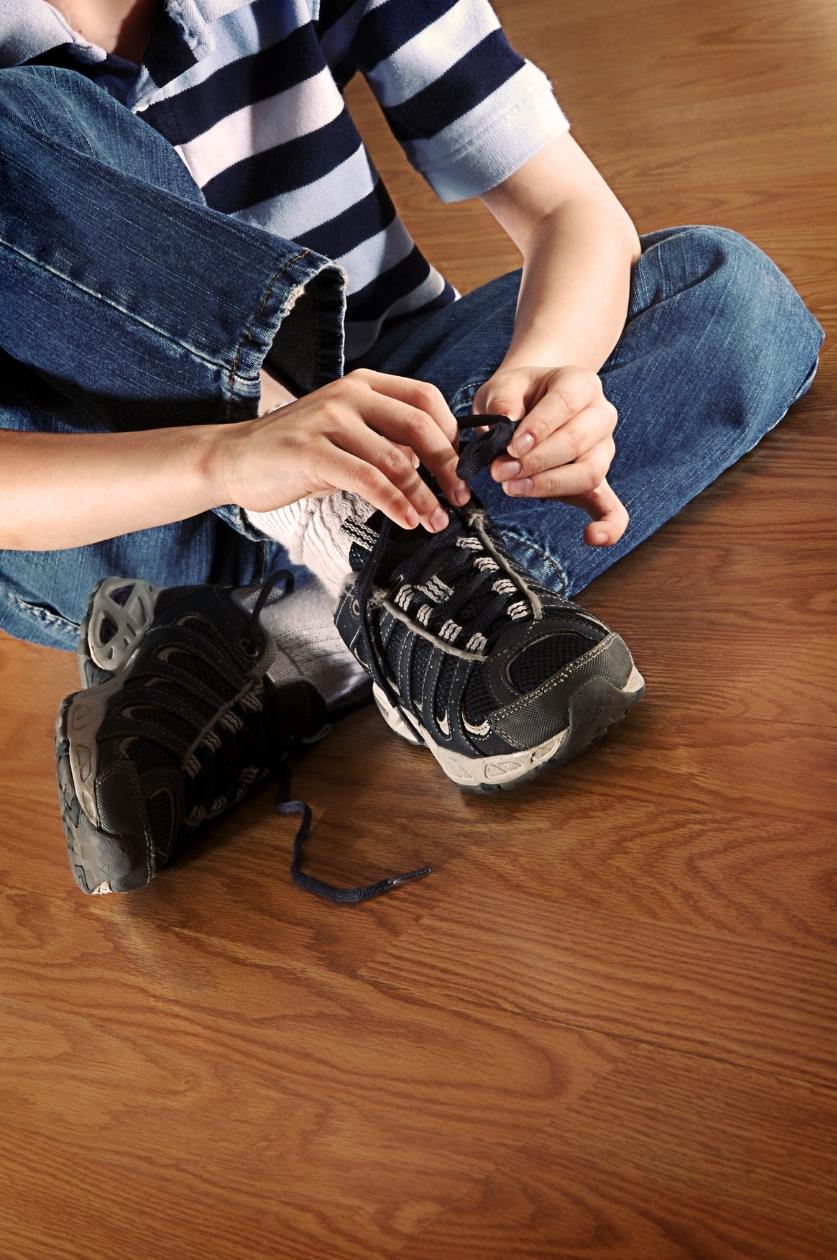 Imagine telling a child how to tie their shoes without demonstrating. Not so easy, is it?
Now picture the process of going through the steps to create the perfect bow and helping your child replicate the movements.
Much easier, right?
The same applies when tackling more complicated subjects.
You can read a book about counting to 10 or calculating money. 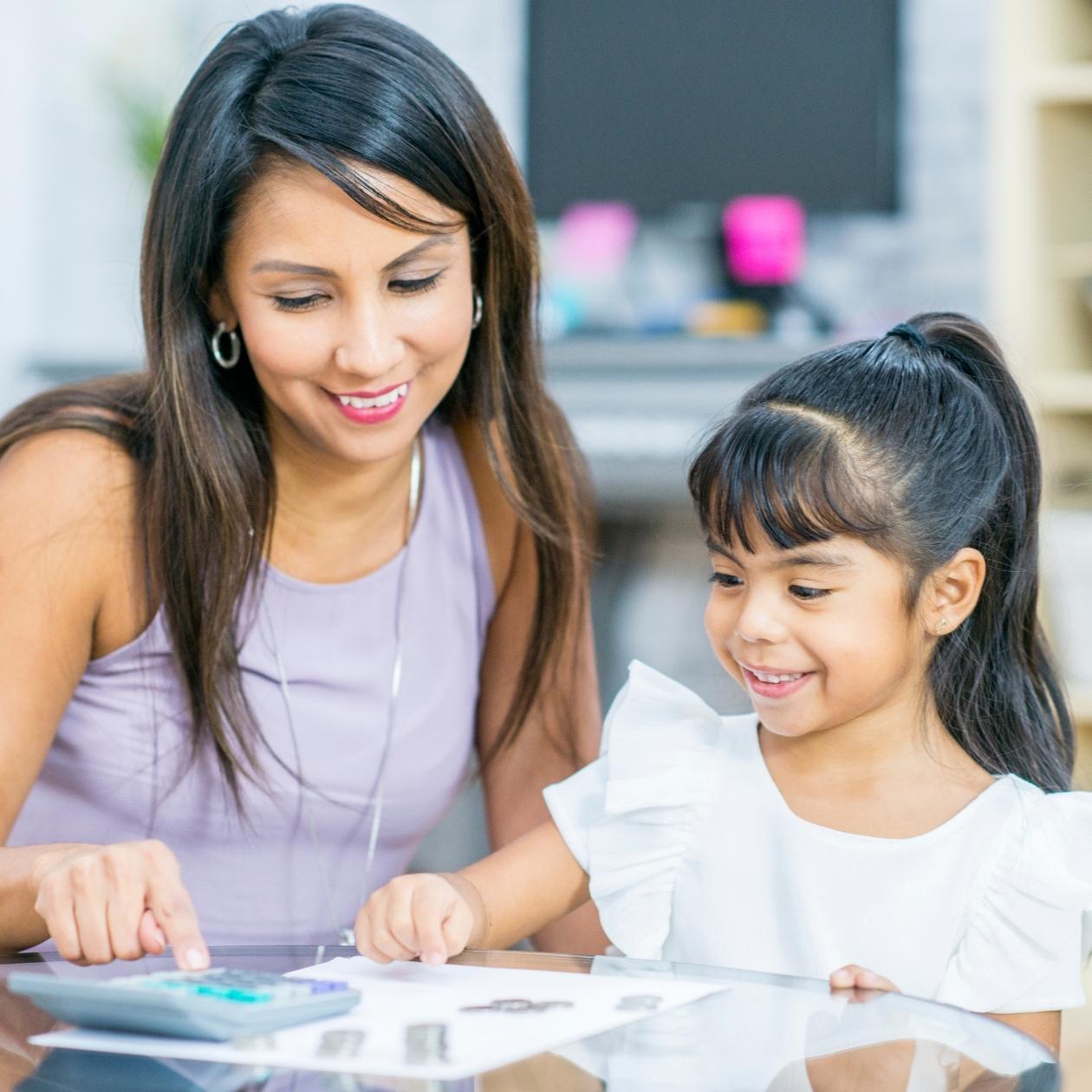
But when you dump out a box of blocks or coins and have your child physically count or calculate, you?re encouraging them to create brain synapses that will help them learn faster and remember longer.
Imagine reading out a recipe for cookies and then sending your child to the kitchen.
Not so easy to anticipate fresh cookies warm from the oven, is it?
But when you both don your aprons and break out the flour and sugar, suddenly, you?ve created a learning environment that will boost understanding dramatically.
This is the beauty of hands-on activities for homeschool.
Children learn best through hands-on, concrete experiences. When they are immersed in a topic, students are engaged in more than just picking up facts.
Hands-on experiences provide information for the five senses:
 Sight ? students see the materials up close and can examine the textures, patterns, and colors.
 Sound ? students can hear the different sounds the materials make when they are moved over a surface or knocked or rubbed together.
 Smell ? students are exposed to the natural scent of the materials, whether it is warm, like cedar, acrid, like vinegar, or sweet, like marshmallows.
 Taste ? students can, where appropriate, have an actual taste of the materials to experience sweet, salty, or bitter tastes.
 Touch ? students can connect the textures they see with the feel of the materials through their hands.
Experiential Learning in Homeschool
Another term for hands-on learning is experiential learning.
The experiences children encounter with physical items create different sets of brain connections than simply hearing about the same experience.
These brain connections are the goal of hands-on learning.
And through the experiences, children gain other positive results.
????????
Hands-on Learning Keeps Kids Alert
When children are engaged in a hands-on activity, they are aware of their surroundings and alert to new sensations.
Picture a toddler being handed an orange for the first time. All the senses are activated, and the experience is a pleasant one.
Now think of your homeschool student watching a balance scale move up and down as they add or remove weights. Activated wonder becomes the sensation of the moment.
Even the movements required to manipulate a balance scale for the first time are novel and exciting. The process is engaging.
Contrast that with the sheer boredom of listening to a description of how a balance scale works. Yawn.
Hands-on Learning Helps Children Develop Critical Thinking Skills
The importance of developing critical thinking skills cannot be overstated.
Hands-on activities offer the perfect environment for students to grasp a concept, think steps through to their results, and make educated guesses and informed choices as they go.
Simply thinking about where a piece goes in a Rube Goldberg contraption doesn?t compare to actually placing a piece and watching the outcome. Critical thinking comes into play when that piece doesn?t perform as expected and needs adjustments.
Even in such tasks as writing, critical thinking comes into play.
When you ask your student to compare and contrast a topic or describe a physical process, they must first gather all available information, and then think through the most probable direction of their composition.
In hands-on activities involving two or more students, critical thinking plays an enormous part in determining the outcome of the activity. Perhaps someone has to choose who does which action. Perhaps the students must cooperate to complete a portion of the activity.
All these scenarios offer opportunities for critical thinking.

Hands-on Learning Helps Children Understand Their Strengths, Weaknesses, and Preferences
There are no sweeter words in hands-on learning than, ?I?ll try.? When you introduce brand new ideas to your children, you may uncover hidden fears or insecurities. With you beside them, your children can have the courage to try new things, and in the process, gain understanding and experience.
And, also in that process, you and your children will discover things they aren?t good at or just don?t like. That?s okay. Not everyone can grasp knit-one-purl-two or the nuances of chalk pastels. Nor should they.
Not every student thinks growing radishes from seeds is interesting or reproducing the Fibonacci sequence in blocks is worth their time. And that?s simply fine.
By discovering preferences and honing strengths or overcoming weaknesses, your children blossom in the direction of their personal sun.
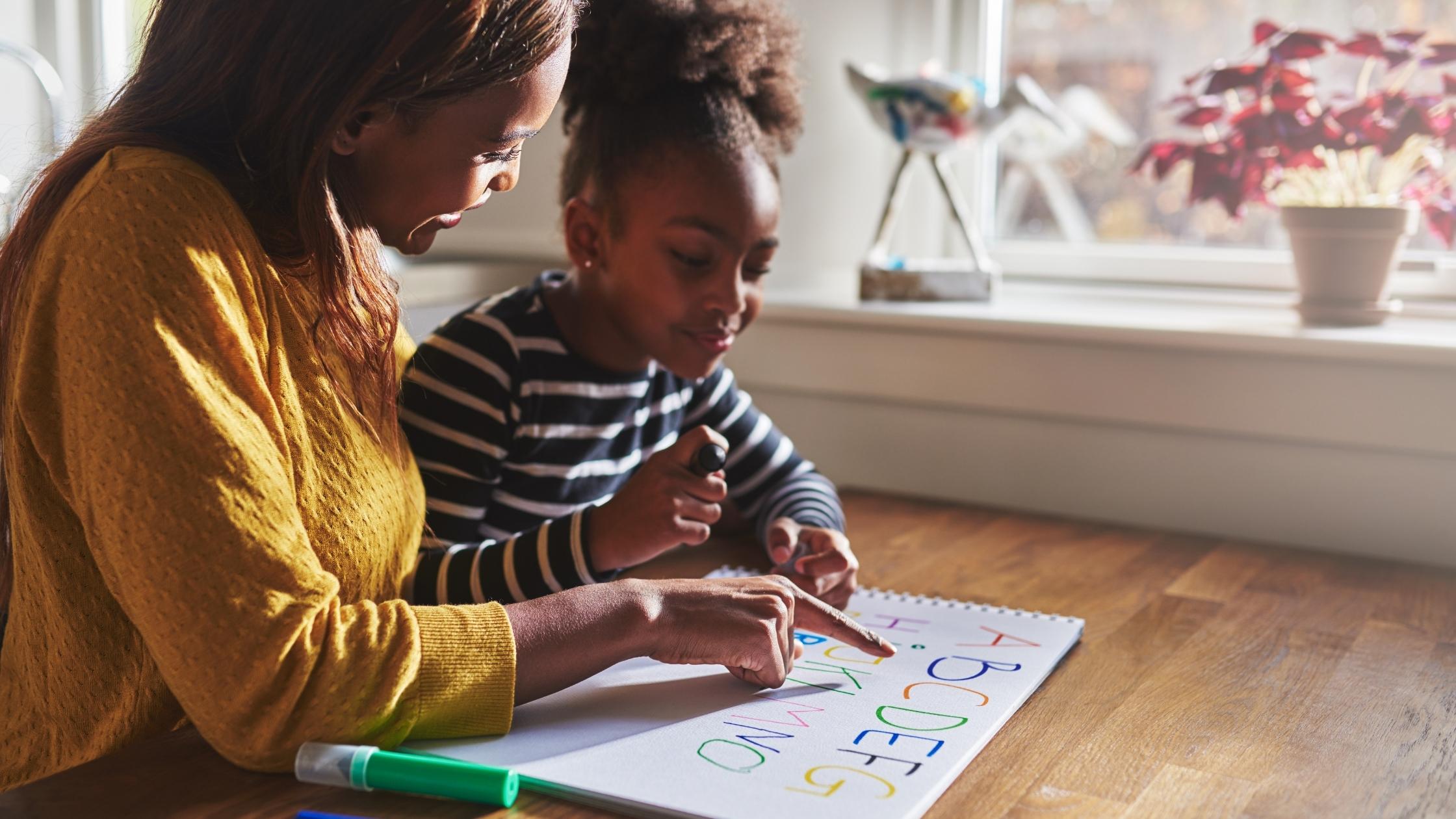
Hands-on Activities Leads to Quicker Understanding and Longer Retention
You can read about a topic and gain a general idea of the concept. But imagine just reading about creating a tomato garden. Until you?re actually out digging in the dirt and fighting hornworms, you only have a theoretical understanding of growing tomatoes.
But once you actively rescue your plants from pests and the threat of over- or under-watering, you gain a deeper understanding of the process and can repeat the activity with (hopefully) more success each time.
Your kids are the same way. Reading about the food on the Mayflower pales in comparison to actually baking and tasting hardtack. Hearing a description of an exotic bird is nothing like going to an aviary and having it rest on your hand and eat seeds.
And these experiences create lasting memories your students will retain and recall for decades.
Hands-on Learning Allows Children to Connect the Unrelated
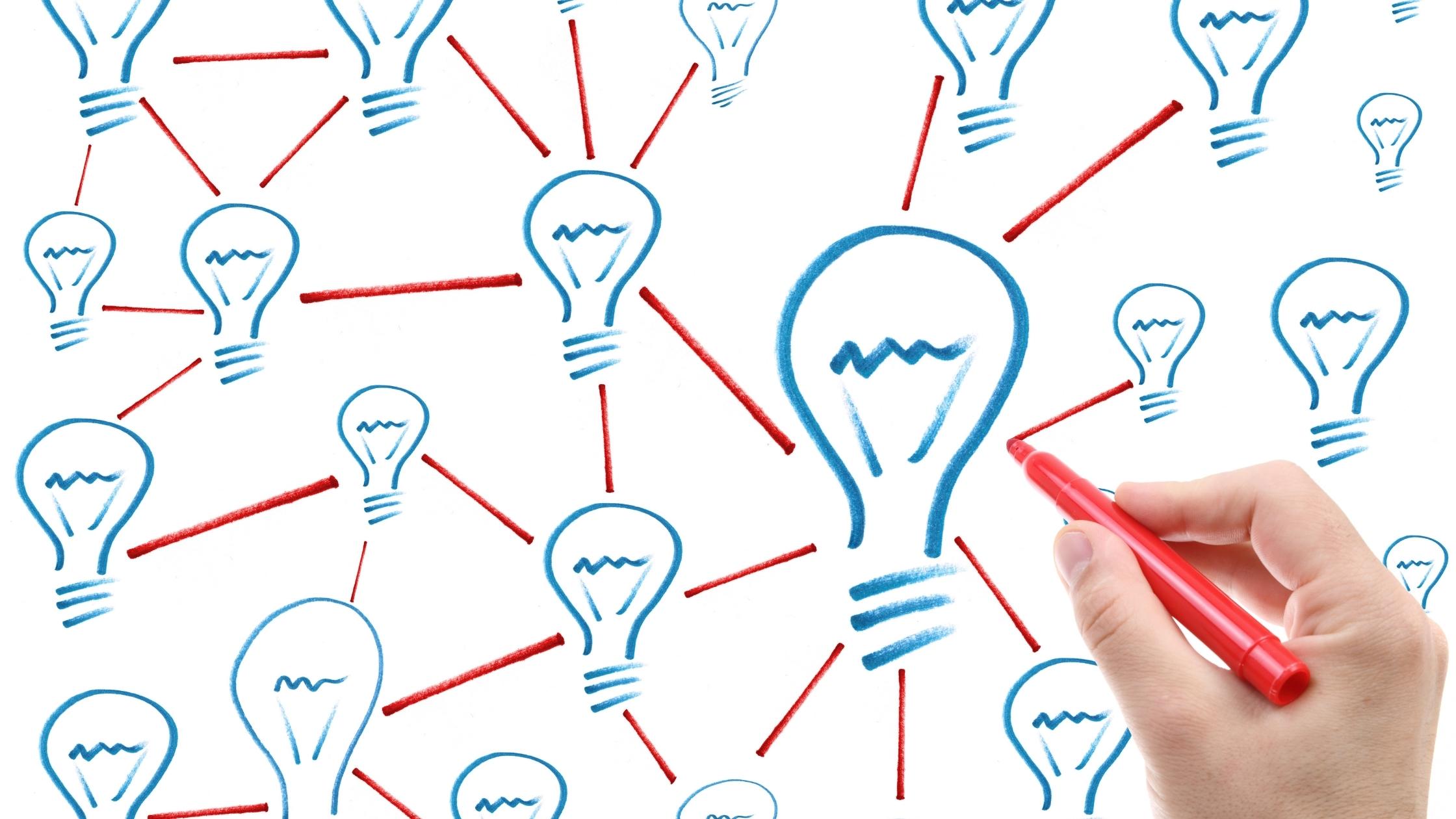
When students are presented with new concepts, their brain tries to find something familiar so it can build a bridge between the new and old.
If, during a hands-on activity about spiders, a student notices a cobweb they?ve been observing reminds them of a snowflake decoration they watched Aunt Carol crochet, they will comprehend the effort the spider put into its creation.
You can be sure if your child says, ?Hey, that looks like/sounds like/smells like/feels like?? their brains have clicked the things together and the recall will be stronger. The more hands-on learning your child gets to enjoy, the more their brains will build strong bridges.
Hands-on Learning Incorporates Many Learning Styles
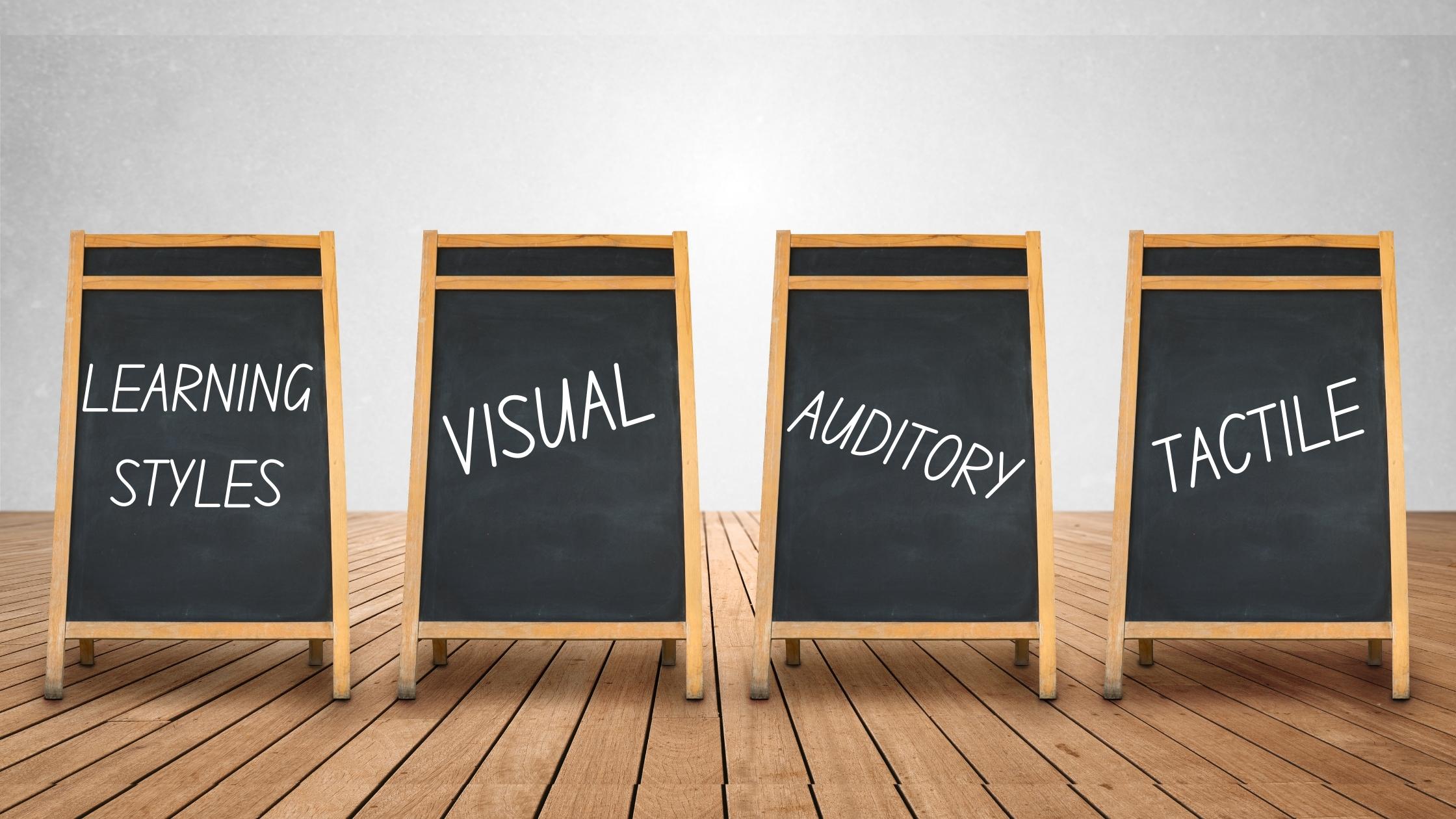
You?ve probably heard about the different learning styles adults and children exhibit. While each of us can learn using any of the styles, most of us gravitate toward one or two as our strongest learning method.
While reading is visual, and listening is auditory, and even writing is kinesthetic, hands-on activities can incorporate multiple learning styles during one activity.
Perhaps an activity has your child reading instructions, opening containers, measuring and mixing ingredients, shaping dough, baking, listening for a timer, decorating, and writing invitations for friends to come enjoy the finished product.
All of these steps involve various learning styles, and each helps strengthen that style for future applications. Many hands-on activities include multiple styles so the brain has many paths to store the same information.
Hands-on Learning Helps Strengthen Fine and Gross Motor Skills
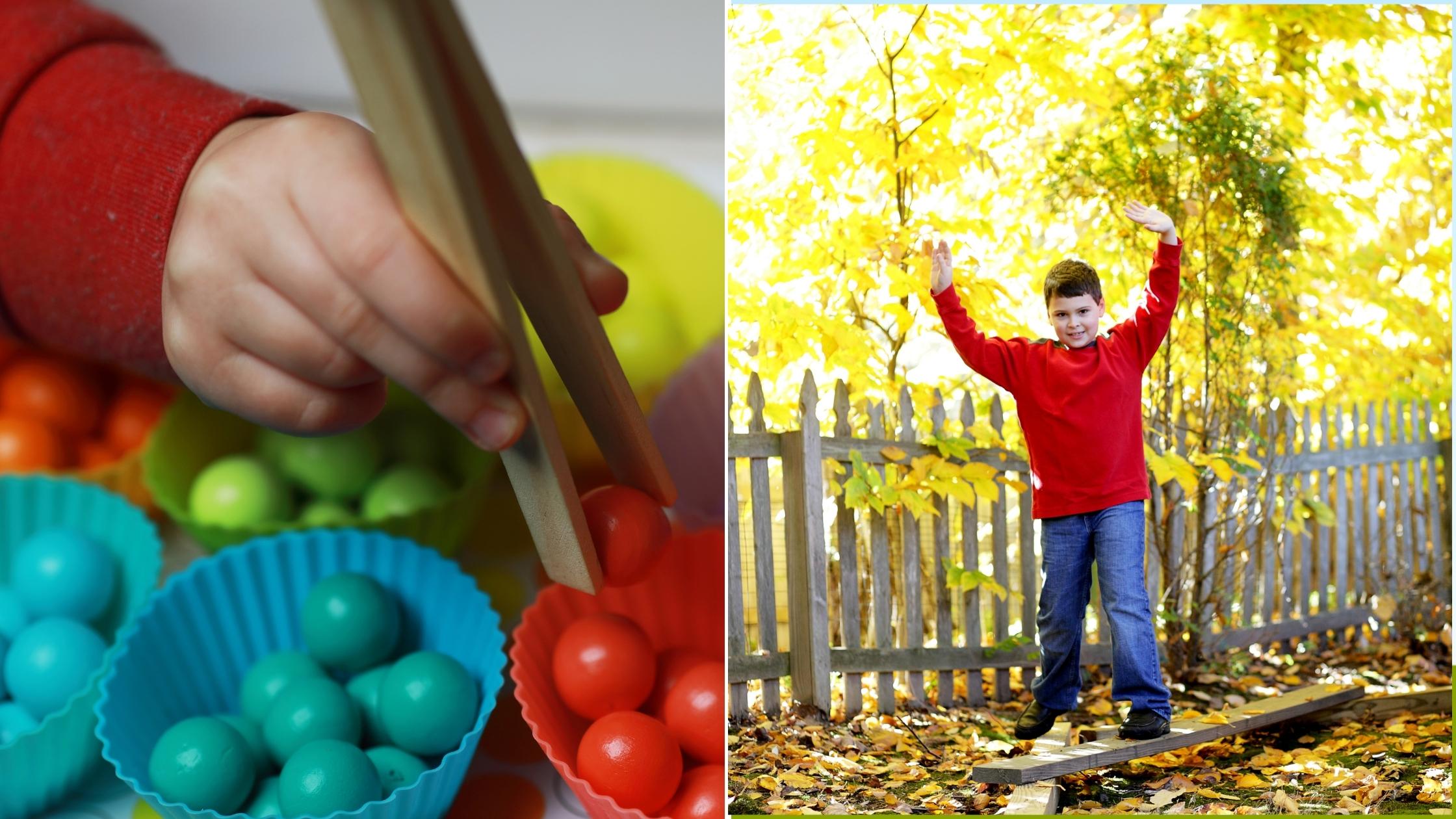
An activity requiring large movements like creating a set for a historical play, or one using small movements like building an edible model of the Parthenon build motor skills and increase learning and retention of the topic.
Learning by doing is a mantra of project-based learning. PBL is education in all subjects while focused on participating in a long-term project.
Imagine how excited your kids will be to have hands-on activities that match the lessons you're teaching.
They may not even realize they're learning!
The Science Behind Hands-On Learning
The science behind hands-on learning is solid.
Research has shown the importance of including hands-on activities in everyday learning experiences.
Here are a couple of examples.
In Activity-Based Learning Strategies Carbonneau and Marley list out several studies showing the positive effects of adding manipulatives to various learning tasks, including:
- using items to represent characters in a story,
- using actual coins to represent money in financial calculations,
- and using actual objects with a container of water to calculate the rate at which the objects sink.
This detailed guide goes on to explore studies produced in individual subjects such as language arts, math and science.
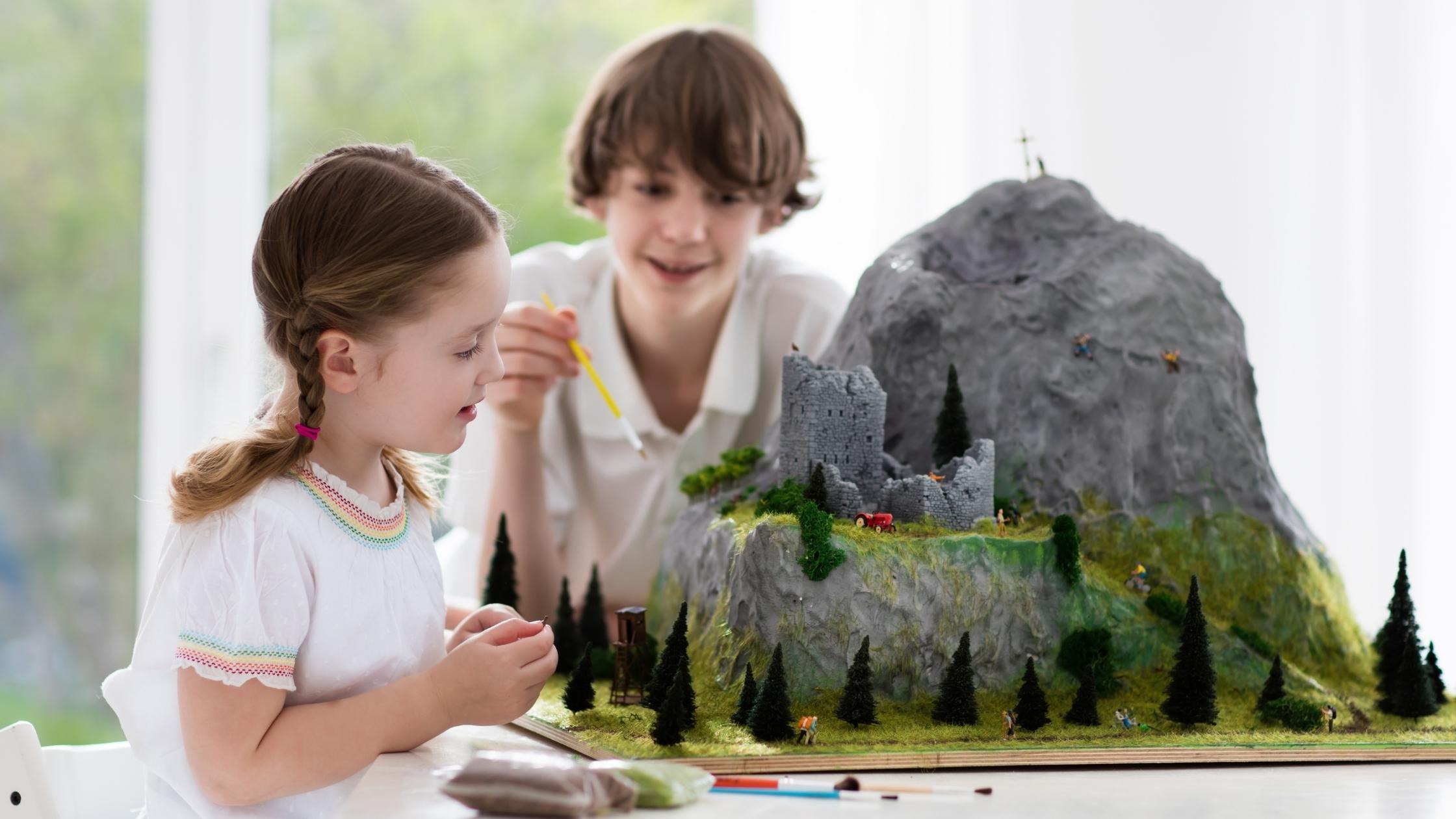
In another study by Hartman, Miller, and Nelson, the results showed a substantial difference in recall of the steps it takes to build a model of a volcano between students who built an actual model versus those who simply watched a model being made.
One study investigated the strength of retention between two groups of students who either watched someone baking cookies or participated in baking cookies.
As you can imagine, hands-on baking generated much more retention of the process.
(Activity-Based Learning Strategies Carbonneau and Marley is a digital facsimile of a book and not easy to read, but the information in it is enlightening.)
The science behind hands-on activities speaks volumes!
And now, since you?re wishing you had a fresh batch of cookies warm from the oven, is a fantastic time to fling open the baking cabinet and call the kids for a math and cooking-chemistry lesson.
What are some ways to include hands-on learning in your homeschool?
If you?re wondering just how you?ll be able to add another layer to your already overflowing homeschool schedule, fear not.
Activities you may not have considered as educational can become just the catalyst your child needs for an Ah-ha! lightbulb moment.
When you are adding notes for math, science, history, and the rest to your homeschool planner, take a moment to consider a few of the following suggestions.

Math
Foundational math is a concrete subject. There?s no denying that two oranges plus three oranges is five oranges. To help your children incorporate the idea of addition, get a bag of oranges. (Or cookies. Yum.)
Break open the piggy bank or coin purse and count those coins. I remember when I was small, I was counting, ?One money, two monies, three monies,? when my mother patiently helped me sort the coins and told me their values. Decades later, I still remember that hands-on lesson from my mom.
Add movement. Let your kids jump rope or draw three-foot digits on the sidewalk for a number parade.
Make models of measuring instruments. An analog clock from a paper plate or a balance scale from a clothes hanger and marbles show the inner workings of these machines to help your child understand the abstract ideas of time and weight.
Use certain forms of food that easily demonstrate fractions, such as chocolate bars, and geometrical concepts, such as pizzas or pies.
Cook something. To continue the food theme, head to the kitchen to create a recipe. Cups, teaspoons, and the size of a dice or a chop, along with oven settings and baking time can add solidity to the general idea of measurements, time, and temperature.

History
History lends itself to a world of hands-on learning. When your children can immerse themselves in a time period, the people and events come alive and stick around in their memories.
Cook something. I?ve told the story of my children baking hardtack with me as we studied the voyage of the Mayflower. What an eyeopener when the taste test made real the harshness of the time.
When your historical studies need to get physical, cardboard boxes are your friends. Build a replica of a pyramid, a fort, or a castle to set the backdrop for roleplaying and imagination.
And while you?re at it, have your kids create a play or act out a historical scene using their newly constructed bits of the past.
Add in a bit of artistic creativity, and have your kids recreate a document such as the Declaration of Independence or the Magna Carta. Let them toss in a little creative license to turn their written piece into a present-day version.

Science
Nothing says homeschool science like a bubbling concoction on the kitchen counter or a box of hatching caterpillars in the living room. Embrace the slimy, the muddy, and the unexpected for lasting memories of scientific discoveries.
Your kitchen is a laboratory waiting to unfold. Dozens of books exist that detail kid-friendly science experiments your kids can perform right on the counter or (with help) the stove. Save up containers and common ingredients and a little bit of ingenuity to make learning science fun for all.
Get out into nature for a world of scientific exploration. Pick a tree. Watch it for an entire year, keeping notes and drawing pictures. Or plant a seed and record its growth.
Observe and record everyday weather for another nature-based science activity that can last the whole year. Measure rainfall or snowfall and temperature changes. If you live in the South like I do, your children may pack a container with snow to ?save it for later.? (Surprisingly, that snow lasted almost a year in the freezer.)
Gardening is another way to incorporate some hands-on learning in everyday life. Give your kids a plot of ground or a sturdy window box, and let them plan their mini-garden. Encourage measurements and record-keeping to see if they can discover patterns or new concepts on their own.

Language Arts
Words are everywhere. From the time your toddler strings together two as a first sentence, to the stumbling attempts of your first-grader?s reading, to the brilliant essays of your teen, language and literature surround your family.
While language arts and hands-on learning don?t appear to be compatible, there are plenty of activities you and your kids can do to strengthen language at all ages.
Get tactile with letters and words through classic games such as Scrabble, or create your own word games using cardboard, flash cards, blocks, and creative paper shapes.
Kids love to find hidden treasure, so put those language arts skills to use by designing, or letting your kids design, tantalizing scavenger hunts with plenty of word clues and puzzles.
Not all kids enjoy reading, but if you encourage yours to act out stories or scenes from books they?ve read, the images in their minds or on the pages can become real and the memories grow.
Set up a pretend radio station and listen to your children try to dramatize a story without the benefit of images or props except for sound effects.
Have a poetry art lesson. Try out different styles of poetry, then have your kids draw or paint their words onto canvas or cardboard for a memorable art piece.

Music
Incorporating hands-on music activities into your homeschool can be as simple as encouraging your child to pursue learning to play a musical instrument.
But even if they?re not inclined to master the piano or violin, kids love musical sounds and rhythm.
How about building simple musical instruments from everyday items? A straw whistle, a rubber band guitar, or a water xylophone generate fun sounds and can also encourage questions about the science of sound.
Let your kids sing their history lesson or rap some math or geography facts to a background tape. You?ll be surprised at their creativity!
Art
Homeschool art, outside of art appreciation, is a buffet of amazing hands-on opportunities. Your child doesn?t have to be a Rembrandt to explore color, texture, and perspective.
Painting, sculpting, and drawing with pencil or chalk pastels are all easy ways to bring art and other homeschool subjects together.
Your children can illustrate a nature journal for science or sketch a famous person to decorate a history report.
But if you think outside the picture frame, you can bring hands-on art to life in your homeschool.
Have your kids dye fabric using an ancient method or natural materials available to early colonists, or recreate a royal crown using a jewelry-making kit.
Another activity is to have your children recreate a famous piece of art using unexpected materials such as the Mona Lisa from frosting or a statue from pasta.

Geography
Memorizing names of states, countries, and continents can get a little boring. (Unless you put them to music?see above.)
So why not turn geography into a hands-on learning experience!
Of course, visiting geographical areas in person can become a wonderful hands-on experience. But if you need an activity closer to home, try these ideas:
Head back to the kitchen to create landforms with puffed rice treats or bake country-shaped cookies. Then explore the cuisine of the area you?re studying by having a meal using the popular foods from the area.
Or head out to the sidewalk to draw maps. Create homemade treasure maps with puzzles that incorporate compass skills.
Build a miniature biome in an old aquarium. Desert, tropical, bog, or seaside settings can all be recreated with a little imagination.

Foreign Languages
Just like language arts from your child?s first language, you may wonder how to include hands-on activities as your kids learn a second or third language.
Have your children copy translations of familiar objects onto labels or index cards to stick around the house.
Break out a familiar game printed in another language or read well-known storybooks that have been translated.
I'm In...But What About the Kids? Will My Children Love Hands-On Activities?
Now that you have all these suggestions for hands-on learning, and you have a pretty good idea of when in your planning you?ll be able to use an activity, how can you be sure your kids will be on board?

One great way is to involve your kids in dreaming up new ways to add hands-on activities to your everyday homeschool adventure.
Include them in your lesson planning sessions! The closer they are to the creative ideas, the more excited they will be to try them.
And remember, you don?t have to do ALL the hands-on activities! You don?t have that kind of time, and your family has limits.
Just work in an activity or two in your regular homeschool routine and watch the light bulbs go on and the connections being made. You got this.
???????????????
Have fun with hands-on!